
How to Declutter Without a Complete Lifestyle Change

Minimalism seems to be all the rage these days.
Don’t get me wrong, minimalism is wonderful. It promotes a simpler way of living that I think can benefit everyone, including myself. But let’s face it, living a minimalist lifestyle requires more than just minimal effort. It requires both self-discipline and persistence.
It just doesn’t happen overnight.
Admittedly, I’m not a minimalist, at least not for now. I’m not sure I’m prepared for a total lifestyle change quite yet.
And many people I know around me are in the same boat: we appreciate the value of minimalism and want to inch closer to that way of living, but we’re not entirely ready for it yet. But just because we’re not a minimalist today doesn’t mean that we can’t reap the rewards of some of its practices right now.
Take decluttering for example. I often hear the word “decluttering” in the same sentence with “minimalism”, as if they go hand in hand. It’s true that you can’t call yourself a true minimalist without first going through the exercise of decluttering, but you don’t have to become a minimalist to declutter.

Contents
Why We Should All Declutter, Minimalist or Not
Raise your hand if you have at least a drawer, a closet, or a corner in your home that makes you cringe every time you think about the amount of stuff inside.
If you raised your hand, then you can, and should declutter. Not only will you take your physical space back from the tyranny of “stuff”, you will also regain ground on your psychological well-being.
Clutter has been shown to have a negative impact on our “psychological home”—our subjective experience of home and our attachment to our place of residence that goes beyond the space itself and the materials that occupy it. And this in turn, negatively affects our perceived well-being.
That’s good enough reason for me to declutter!
It just so happens I had to do some major decluttering not long ago as I packed up for my move into my new home with my husband.
Reflecting on this recent decluttering episode, I realized there were a few key strategies that made the experience less painful. It was surprisingly positive. Even fun. And now, I’m going to share these strategies with you.
I created a free printable 30-day decluttering challenge that’s fun and easy to do, along with a mini decluttering game that will give you tons of ideas on what needs to go! Make sure you download it!
How to Declutter: Practical Tips for Non-Minimalists
1. 10 Things, 10 Minutes, One Corner at a Time
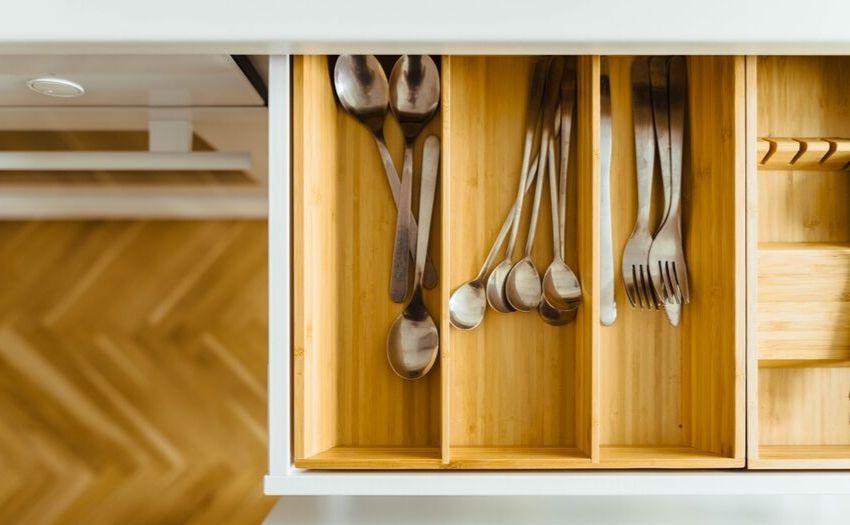
One of the biggest hurdles to decluttering is that all too often—when we finally convince ourselves it’s time to start—we find ourselves staring at what seems like an impossible task. The clutter looms over us like Mount Everest and we don’t even know where to start climbing.
I know the feeling all too well. Months before my big move into our new condo I had told myself that I needed to get on with decluttering. But every time I rolled up my sleeves and looked at all the stuff around me, I would feel deflated in an instant.
As I started to plan in my mind what I must do to clear out all of my clothes, my books, my make up, and the miscellaneous knick-knacks scattered about, I would fall deeper and deeper into despair.
I’m never going to get this done!
In the end, I would throw my hands up in the air, tell myself I’ll get to it another day, and go do something else that I felt was easier and would take less time to accomplish.
Then finally I realized I couldn’t afford to procrastinate any longer.
But I knew the enormity of the task would send me into a frenzy. So I told myself what I needed to do was start small, really small. I would set a timer on my phone for 10 minutes, and in that 10 minutes, I would tackle just one corner of my home, be it a desk drawer, the kitchen counter, or under my bed.
I would go in with a huge garbage bag in one hand, and as quickly as I can, grab anything that I haven’t used within the last year and put it in the bag. At the end of the 10 minutes, I would check the bag to make sure I have at least 10 things in there. If I didn’t have enough to make 10, I would give myself an extra few minutes to grab more items.
I did this once a day on weekdays, and twice a day, or sometimes three times a day on weekends. After a few sessions, I started to realize that the amount of clutter was noticeably less than before. This encouraged me to continue with these 10-minute decluttering sessions. Next, I gradually increased my decluttering goal to at least 15 items in 10 minutes, and then to 20 items.
Decluttering—what was once an anxiety-inducing, nightmarish task—became less painful and more engaging as time went on.
By dissecting what appears to be a sizable task into small, manageable pieces such as just 10 minutes a day, 10 items to remove at a time, and focusing on only one small area, I was able to overcome the feelings of anxiety that was holding me back from ever starting the task.
So if you are feeling stressed over all the clutter you have to clean up, try spending just 10 minutes a day to remove at least 10 things from a specific corner of your home. It may be only a small change in your routine, but if you do it consistently, it will add up to make a big difference in the end.
2. Set an Expiry Date
What would you do with a rotting vegetable that is clearly no longer safe or even enjoyable for eating? Hopefully you’ll toss it into the compost bin instead of letting it take up valuable real estate in your fridge.
If you think about it, there’s an expiry date on almost everything you put in your mouth. Once the nutrients and freshness are gone, it no longer serves any purpose. Hardly anyone would argue that a food item that has long passed its expiry date is worth keeping.
So why do we have such a hard time letting go of material things that no longer serves any purpose in our lives? Why isn’t there an expiry date to all other physical items we have in our home?
I know it’s difficult to think of our favourite blanket growing up as a child, or the drab-but-cozy armchair that we inherited from dear grandma as rotting vegetables.
But the truth is that if something is not creating any value besides the occasional nostalgic moments, then just like a vegetable that has passed its expiry date and is now reeking of decay, it too, is no longer worth hanging on to.
Instead of letting it sit there and have it do nothing but collect dust in a dark corner somewhere in our home, let it go. Perhaps it could serve a greater purpose for someone else out there.
This is something that I’ve started to do in my new home in order to make sure that I don’t create clutter: every time I add something to my home, be it a new addition to my wardrobe, a new piece of furniture, or a new gadget for the kitchen, I give it an imaginary “expiry date”—a rough timeline of how long I expect I will use the item for.
Then I go back and re-evaluate periodically how often I’m using the item and whether it is still creating value in my life. If I find that I’m not using the item often or even forgetting about the item, I consider if it has passed its “expiry date” sooner than expected. If it has, I put it on my to-do list for recycling or give-away.
Setting an imaginary “expiry date” is a great way to create psychological distance between ourselves and the material objects we bring into our possession, and it helps us stay aware of our relationship with the things we have. By doing this, we can stay ahead of the game and prevent clutter from forming in the first place.
3. Imagine Yourself Using the Item Before Making a Purchase
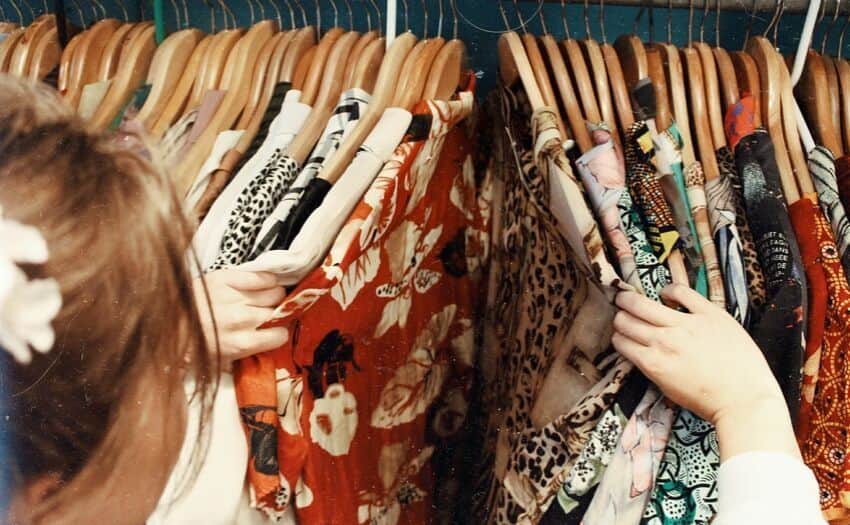
Do you have trouble with “impulse buying”? My reply is a big “YES” on that one.
I’m a sucker for these words:
It’s on sale!
Whenever I see something on sale my instinct tells me to quickly put this “hidden gem” in my cart or I could lose it if I didn’t move fast enough.
Bubbling with glee over this “incredible deal”, I would line up at the register or click on the “check out now” button online with furious speed. With the tap of a credit card or a click of the “submit payment” button, I walk away from the store or the website feeling a sense of euphoria.
But the feeling never lasts last long.
My initial interest in the item usually fades within weeks, sometimes days. And on a few occasions, as soon as I had made the purchase.
Does any of this sound familiar to you?
If you struggle with “impulse buying” like I do, you’re probably wrestling with clutter too.
Impulsive purchases—purchases made on a whim fueled by momentary passion—inevitably leads to clutter. And unless we learn to curb our “impulse buying” habits, we’ll always have things that we don’t need hiding in our garages, cabinets, or under our beds, waiting for us to remember why we took them home in the first place.
What I started to do in the months leading up to my big move was the exercise of active imagining and self-reflecting before I make a purchase.
Here’s how it works: before I make a purchase of any physical item other than the necessities of life such as toothpaste or toilet paper, I would picture myself using the item in my day-to-day routine.
I would ask myself these questions as I imagined myself using the item: where and when would I use this thing? How often would I use it? And how do I feel when I use it?
I would go through this process at least twice—once before I put the item in my shopping cart, and once before I actually pay for it.
If I can’t picture myself using the item regularly in my life, I would walk away from it quickly before I even have time to consider putting it in my cart. Then, just before I line up at the checkout or click the “checkout now” button on a website, I would go through the items that did make their way into my cart one more time and imagine myself using each item again.
This time, I would make sure I not only imagine the good parts—how the kitchen gadget will make my life more convenient, or how the vibrant colours in the shirt fabric will brighten my complexion—I would also imagine the bad parts.
How the bulkiness of the gadget will take up much-needed counter space in the kitchen, or how I have nothing else in my wardrobe that will go with this bright-coloured shirt.
Only if after I’d imagined the worst parts of an item and I still could see myself using it often, would I proceed with purchasing it.
The reason why I would imagine myself using the item at least twice before buying it is because I know that I’m likely going to see the item through rose-coloured glasses the first time around. From past experiences, I’ve learned that in the very moment when I see something that piques my interest, I have a tendency to overestimate not only how often I will be using it, but also how much I will enjoy using it.
So the best way to reduce that bias is to allow myself some time to cool down, let the initial excitement wear off a bit, and then re-evaluate in my mind the role this new item will play in my life.
Instead of shopping mindlessly, this repeated imagining and reflecting process has forced me to pay attention to what I’m putting in my shopping cart and seriously question how much value I’ll really get out of it. This simple strategy has helped me keep my clutter in check by reducing the number of unnecessary things I bring home.
4. Set a donation goal

Instead of letting that pair of shoes you last wore to that New Year’s party in 2009 sulk pathetically in your storage, why not donate it to a local charity? There should be no shortage of places that will take donations of clothing, furniture, and household appliances in your community.
A quick 10 minute Google search will surely give you a number of charities in your neighbourhood and some ideas on what and how to donate.
Once you find a charity or two that you would like to donate your items to, set a donation goal. Start with whatever you feel is achievable, whether it is donating a small bag of clothing and household items every week, a large bag every month, or a box every season. The key is to set a realistic goal and stick to it consistently.
I am fond of donating things because it allows me to let go of my things without feeling guilty.
For a long time under my mother’s influence, I had a hard time throwing things away.
Having had grown up during the tumultuous Cultural Revolution era in China and then immigrated to Canada in her late 30’s, frugality was something that my mother practiced and preached zealously.
I diligently followed her advice for much of my life. After all, I was sure to get a displeased look and an endless sermon from her if I didn’t. So I kept everything—from notebooks and magazines to shoes, bags, and accessories—until every inch of my room was littered with stuff.
But as I grew older, I started to realize that having more stuff around me didn’t make me feel happier or fuller inside. In fact, it did the opposite.
The more stuff I gathered, the more empty and chaotic I felt.
So when I saw donation bins sitting on several street corners in my old neighbourhood, I thought it was the perfect solution to my dilemma. It was exactly what I needed so I could finally let go of my stuff without the guilt of being “wasteful”.
The first time I dropped off a bag of donations in one of these bins I felt a surge of relief followed by a quiet contentment. It gave me a sense of fulfillment knowing that perhaps my parka could bring someone else warmth for the winter or maybe my flower pot could sit on someone’s window sill and bring them joy.
My current donation goal is one large bag of clothing and small household items every season.
It’s a goal that I feel I can meet without too much pressure and feel good about it at the same time. If you haven’t donated your stuff before or don’t have the habit of doing it regularly, give this practice a try.
5. Find a decluttering buddy

Hey, I get it, decluttering is the last thing you want to do after a long day at work or on the weekend when you could be doing a million other things. It isn’t something that most of us look forward to in the same way that we would a night out with our best friend.
But what if we made decluttering more fun? What if, instead of being another chore that we “have to” do, we turned decluttering into an activity or game that we can do together with a buddy? Then it wouldn’t be so bad, would it?
Just like exercising, we will be much more motivated to keep up with our decluttering routine if we are able to do it with a buddy.
Not only is it more interesting to declutter with someone else, having a decluttering buddy who isn’t afraid to speak the truth even when we don’t want to hear it can also help us keep our clutter in check.
How?
They can slap some sense back into us when we’re too deep in denial about the clutter around us or too caught up in the moment to stop ourselves from making another impulse purchase.
My decluttering buddy is now conveniently my husband.
The biggest impact of being each other’s decluttering buddy has been the change in both of our donation and shopping habits. We take turns reminding each other that certain shirts we keep in the closet haven’t seen the light of day for a while and should be put up for donation, or that the “high tech toy” we’re eyeing in the store aisle will likely suffer the same sad and lonely fate of similar gadgets we brought home before.
Your decluttering buddy doesn’t have to live with you. It can be a friend, a neighbour, a parent, or anybody else who is interested in decluttering. You can share your donation goals, swap tips, offer encouragements, and even help each other declutter areas of your home that need an extra set of hands.
Not a Minimalist? Not a Problem!
Well-known Minimalist Francine Jay once said: “Your home is a living space, not a storage space.”
Although I’m not a minimalist, I agree with these words 100%. Home should be a shelter for the living, not a shrine for the objects we collect.
I believe we all have the power to take back our much-needed living space from the invasion of material things, if we’re willing. It doesn’t take a complete lifestyle change where we never buy more than just what we need to do that.
By making small changes in our routines, taking a pause, and giving a little more thought to the way we shop, the way we organize, and the way we discard, we too, can have a clutter-free space to rest our body and soul without having to be a minimalist.
Now let us declutter together.
Before you go, make sure you grab a copy of my free “30-Day Decluttering Challenge & Mini Decluttering Game”!


Recommended Reading That Will Help You Enjoy Life:
7 Best Relationship Advice for Modern Couples
Curb Excessive Worrying With These 3 Questions (FREE Bonus Workbook Included)
Hi Sabrina, great post. I’m not a minimalist, but I do understand the power of decluttering. What’s worked for me so far is breaking down the tasks into something manageable, just as you’ve said, ‘ten things, ten minutes, one corner’. Thanks for the great post.
Thanks Kuchiya, one small step at a time really is the recipe for success!